





Introduction to Online SEO Courses
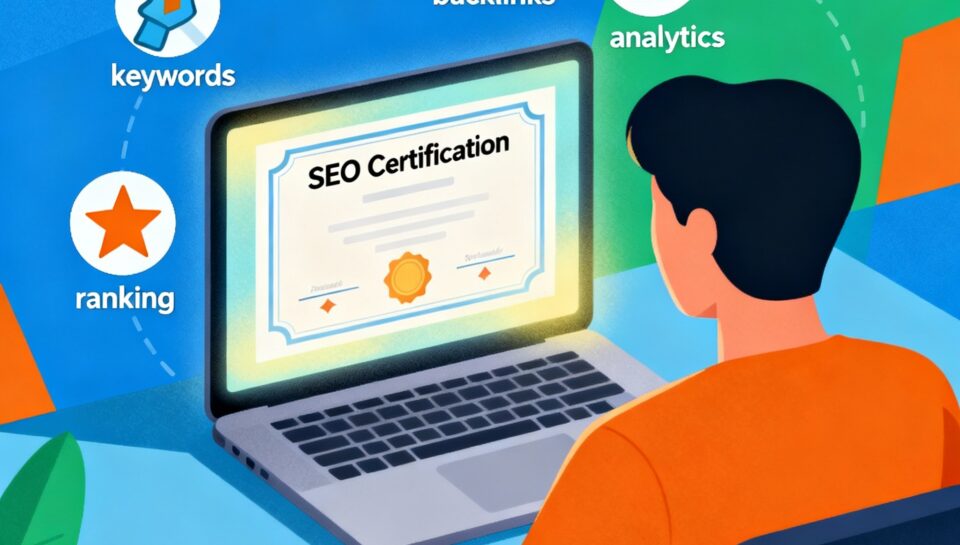
Learning SEO (Search Engine Optimization) has become one of the most valuable skills in today’s digital world. Every business, whether small or large, wants to rank on Google, and SEO is the key to making that possible. Online SEO courses with certificates are designed to provide structured learning so that students, professionals, and entrepreneurs can master SEO from scratch.
Why SEO Skills Are in High Demand
Think about how you search for anything online—Google is often the first stop. If a business doesn’t appear on the first page of search results, chances are, customers may never find it. This is exactly why SEO professionals are in such high demand. Companies need experts who understand how to rank websites, drive traffic, and ultimately generate more sales. With the digital economy booming, SEO has become one of the most rewarding career paths. From startups to established brands, everyone needs skilled SEO specialists to stay competitive.
Benefits of Earning an SEO Certificate
An SEO certificate doesn’t just prove your knowledge—it builds credibility. When you complete an SEO course and receive a certificate, you demonstrate to employers or clients that you’ve acquired structured training in the field. This can open doors to job opportunities, freelance projects, and even help in scaling your own online business. A certificate also adds weight to your professional profile on platforms like LinkedIn, making you stand out among competitors.
Overview of SEO Course Syllabus
An online SEO course syllabus is carefully designed to take learners step by step from beginner to advanced concepts. Whether you are new to SEO or have some prior knowledge, a structured course ensures you don’t miss any crucial aspects.
What You Can Expect to Learn
The syllabus usually covers everything from the basics—like how search engines work—to advanced strategies, such as AI in SEO and international SEO. You’ll learn about keyword research, technical optimization, link building, content strategies, analytics, and much more. Practical assignments and projects are often included, allowing learners to apply concepts in real-world scenarios.
Duration and Structure of an SEO Course
Most online SEO courses range between 6 weeks to 6 months, depending on how in-depth they are. They are usually divided into multiple modules, each focusing on a specific aspect of SEO. Some platforms offer self-paced learning, while others follow a structured weekly timeline with live classes, quizzes, and projects. By the end of the course, learners not only receive a certificate but also walk away with hands-on SEO experience.
Module 1 – Fundamentals of SEO
Every journey begins with the basics, and SEO is no different. The first module of most online SEO courses introduces learners to the fundamental concepts.
Understanding Search Engines
Search engines like Google, Bing, and Yahoo are the backbone of SEO. In this section, learners explore how search engines crawl and index websites. You’ll understand the difference between paid ads and organic results, and why ranking organically is more sustainable.
How Search Algorithms Work
Algorithms decide which websites rank on the first page. Google updates its algorithms frequently—Panda, Penguin, Hummingbird, and more. This part of the course explains how these updates affect rankings and what you can do to stay on the safe side.
Key SEO Terminologies
From SERPs (Search Engine Results Pages) to backlinks, anchor text, domain authority, and bounce rate—knowing the language of SEO is crucial. This section covers all major terms so learners can speak confidently in the SEO world.
Module 2 – On-Page SEO Techniques
On-page SEO is all about optimizing what’s directly on your website. It’s the foundation of ranking higher in search engines.
Keyword Research and Optimization
This is where you learn how to find the right keywords for your content. The syllabus includes training on keyword tools like Google Keyword Planner, Ahrefs, or SEMrush. You’ll explore long-tail vs. short-tail keywords, keyword difficulty, and how to use them strategically in content.
Content Writing and SEO Copywriting
Content is king, but SEO-friendly content is what truly drives results. This section teaches how to write engaging, valuable, and keyword-optimized articles, blogs, and web pages. You’ll learn about maintaining keyword density, avoiding keyword stuffing, and writing meta descriptions that boost click-through rates.
Meta Tags, Titles, and URL Structure
Small details make a big difference. This section dives into writing compelling title tags, meta descriptions, and clean URLs. You’ll also learn about header tags (H1, H2, H3), internal linking strategies, and how these elements collectively improve user experience and SEO.
Module 3 – Technical SEO
Technical SEO ensures that your website is easy for both search engines and users to navigate.
Website Architecture and Crawlability
The structure of your website plays a huge role in rankings. This module explains how to design a user-friendly site architecture, XML sitemaps, robots.txt files, and how to make sure search engine bots can crawl your website effectively.
Mobile SEO and Page Speed Optimization
Since most users browse on mobile devices, Google prioritizes mobile-first indexing. You’ll learn how to make websites mobile-friendly, optimize page loading speed, and use tools like Google PageSpeed Insights. Faster websites lead to better rankings and happier users.
Schema Markup and Structured Data
Schema markup helps search engines understand your content better. By adding structured data, you can enable rich snippets (like star ratings, FAQs, or product prices) in search results, which increases click-through rates.
Module 4 – Off-Page SEO
Off-page SEO is all about building authority and trust outside of your website. While on-page SEO ensures your site is optimized internally, off-page SEO focuses on external signals that influence your rankings.
Link Building Strategies
Backlinks are like “votes of confidence” from other websites. The more high-quality sites that link back to your content, the more search engines trust your website. This module covers white-hat link-building strategies such as guest posting, broken link building, and influencer collaborations. It also explains the difference between dofollow and nofollow links, and why quality matters more than quantity. Learners will also discover how spammy backlinks can harm rankings and how to disavow them using Google Search Console.
Guest Posting and Outreach
Guest posting is one of the most popular methods to build backlinks and reach a wider audience. This section teaches how to find authoritative websites in your niche, craft compelling pitches, and write high-quality guest articles. Outreach techniques, email personalization, and follow-up strategies are also part of the training, helping learners build long-term relationships with industry experts.
Social Signals and Brand Mentions
Although Google has stated that social signals (likes, shares, comments) are not direct ranking factors, they still play an indirect role in SEO. Social media boosts visibility, drives traffic, and enhances brand awareness. In addition, brand mentions—even without direct backlinks—can strengthen your authority in search engines. This section helps learners integrate social media strategies with SEO for maximum impact.
Module 5 – Local SEO
If you run a local business like a restaurant, clinic, or store, Local SEO is essential to attract nearby customers. This module dives deep into strategies for local visibility.
Google Business Profile Optimization
Formerly known as Google My Business, this is a free tool that allows businesses to manage their online presence across Google Search and Maps. Learners are trained to set up and optimize their profiles by adding correct contact information, images, business hours, and engaging descriptions. Regular updates and customer interaction also boost rankings in local searches.
Local Citations and Reviews
Local citations (business mentions across directories like Yelp, TripAdvisor, and Yellow Pages) play a huge role in SEO. Consistency is key—your business name, address, and phone number (NAP) must be identical across all platforms. Reviews are equally important, as positive feedback not only builds trust but also influences local rankings. This section shows how to encourage satisfied customers to leave reviews and handle negative ones professionally.
Geo-Targeted Keywords
Unlike global SEO, local SEO focuses on geo-specific keywords. For example, instead of targeting “SEO course,” a local business might optimize for “SEO course in New York.” Learners practice finding and implementing such keywords to attract local customers. Tools like Google Keyword Planner and SEMrush can help in identifying these opportunities.
Module 6 – SEO Tools and Analytics
A true SEO professional needs to master analytics and tools. Without data, you can’t measure or improve your SEO strategies.
Google Analytics and Search Console
Google Analytics provides insights into website traffic—where visitors come from, how long they stay, and which pages they interact with. On the other hand, Google Search Console shows how your site performs in search results, including impressions, clicks, and indexing status. This section helps learners integrate both tools and use data to fine-tune SEO strategies.
SEO Audit Tools (Ahrefs, SEMrush, Moz)
Professional SEO tools like Ahrefs, SEMrush, and Moz make keyword research, backlink analysis, and site audits easier. This module covers how to use these platforms to uncover competitors’ strategies, track keyword rankings, and perform in-depth site audits to fix errors. Learners also explore free alternatives like Ubersuggest and Screaming Frog SEO Spider.
Measuring ROI from SEO Campaigns
Businesses invest in SEO for results—whether it’s more traffic, higher conversions, or increased sales. This section focuses on measuring the return on investment (ROI) of SEO campaigns. Learners discover how to set up goals in Google Analytics, calculate conversion rates, and link SEO performance with actual revenue growth.
Module 7 – Advanced SEO Strategies
Once learners master the basics, the syllabus introduces cutting-edge SEO tactics that can give them an edge over competitors.
Voice Search Optimization
With the rise of voice assistants like Siri, Alexa, and Google Assistant, voice search is becoming increasingly important. Optimizing for voice search requires a different approach, focusing on conversational keywords and FAQs. This section explains how to adapt content for natural language queries.
AI and SEO Automation
Artificial Intelligence is transforming SEO. From content generation to predictive analytics, AI tools are streamlining processes. Learners explore AI-powered platforms like SurferSEO, Jasper AI, and Clearscope. They also learn how to balance automation with human creativity to maintain content quality.
International and Multilingual SEO
For businesses targeting global audiences, international SEO is crucial. This section covers hreflang tags, multilingual content strategies, and region-specific keyword targeting. It also addresses challenges like duplicate content across regions and currency localization.
Module 8 – SEO for E-Commerce Websites
E-commerce SEO is a specialized branch that focuses on boosting online store visibility.
Optimizing Product Pages
Product pages are the heart of an e-commerce website. This section covers writing compelling product titles, descriptions, and meta tags. Learners also explore best practices for adding high-quality product images, reviews, and FAQs that improve conversions.
Category Pages and Internal Linking
Category pages act as hubs that connect products and guide users through the website. This module explains how to optimize category structures, add breadcrumbs, and create strong internal linking that improves both user navigation and crawlability.
Reducing Bounce Rate and Cart Abandonment
High bounce rates and abandoned carts can hurt e-commerce revenue. This section provides strategies like improving site speed, offering multiple payment options, and adding trust signals (like secure payment badges and customer testimonials). Optimizing checkout processes and using remarketing campaigns also play a huge role.
Module 9 – Content Marketing and SEO
SEO without content is like a car without fuel—it won’t go far. This module focuses on how content and SEO work hand in hand to drive long-term results.
Blogging for SEO Success
Blogs are one of the best ways to consistently publish fresh, keyword-rich content. This section teaches how to find blog topics using keyword research, write content that answers user intent, and structure articles with headings, bullet points, and visuals for better readability. Learners also practice internal linking strategies to keep readers engaged and improve crawlability. Consistency in publishing plays a huge role, so scheduling content calendars is also covered.
Video SEO and Visual Content
With platforms like YouTube being the second-largest search engine, video SEO is more important than ever. Learners explore how to optimize video titles, descriptions, and tags. Thumbnails, transcripts, and closed captions also contribute to better visibility. Beyond video, infographics and images with proper alt text help rank in Google Images and improve overall engagement.
Content Repurposing and Promotion
Why create new content every time when you can repurpose old material? This section explains how to turn a blog into a podcast, a webinar into a YouTube video, or a long article into social media snippets. Repurposing extends the life of your content and reaches different audiences across multiple platforms. Promotion strategies—like social media sharing, influencer outreach, and email campaigns—are also included.
Module 10 – SEO Strategy and Career Development
Learning SEO is one thing, but turning it into a career is another. This module helps learners transition from knowledge to professional opportunities.
Building an SEO Portfolio
Just like designers showcase their work in a portfolio, SEO professionals need proof of their skills. This section teaches how to create case studies, showcase keyword ranking improvements, and present analytics results. A strong portfolio attracts both employers and freelance clients.
Freelancing vs. Agency Jobs
SEO professionals have multiple career paths—working with a digital marketing agency, joining an in-house SEO team, or freelancing independently. This section compares the pros and cons of each. Agencies often provide steady income but involve teamwork and deadlines, while freelancing offers flexibility but requires self-discipline and client acquisition strategies.
Future Trends in SEO
SEO is constantly evolving. From AI-driven search results to Google’s continuous updates, staying ahead of trends is crucial. Learners explore upcoming trends such as voice search dominance, zero-click searches, semantic SEO, and the growing impact of EEAT (Experience, Expertise, Authoritativeness, Trustworthiness).
Certification and Assessment Process
An SEO certificate isn’t just given away—it’s earned. Courses usually include assignments, quizzes, and projects to test your understanding.
Types of Tests and Assignments
Students may complete multiple-choice quizzes, keyword research tasks, or on-page SEO optimization projects. Some courses even include practical challenges like performing a live SEO audit on a sample website.
Practical Projects in SEO
Hands-on projects make learning real. You might be asked to optimize a website, run an SEO campaign, or prepare a competitor analysis report. These projects are often graded and form a core part of the certification process.
How Certificates Add Value to Careers
Certificates are proof of your knowledge and can significantly boost your career. They enhance resumes, LinkedIn profiles, and freelance portfolios. Employers prefer candidates with verified training, while clients feel more confident hiring certified professionals.
Who Should Enroll in an SEO Certificate Course?
Not sure if an SEO course is for you? The truth is, SEO skills are useful across multiple industries and professions.
Students and Fresh Graduates
If you’re starting your career, SEO certification can give you a competitive advantage. Many entry-level digital marketing jobs require SEO knowledge, and having a certificate shows that you’re ready to hit the ground running.
Entrepreneurs and Business Owners
Running a business without SEO is like having a shop in the middle of nowhere—nobody will find you. Business owners who learn SEO can optimize their websites themselves or at least understand what agencies are doing for them. This saves money and ensures better results.
Digital Marketers and Freelancers
For digital marketing professionals, SEO is non-negotiable. Whether you’re a social media manager, content writer, or paid ads specialist, SEO adds value to your services. Freelancers, in particular, can charge higher rates when they bundle SEO with other digital services.
Conclusion
An Online SEO Course Certificate syllabus is designed to take learners from beginner to expert in a structured, step-by-step way. From the fundamentals of search engines to advanced strategies like AI-driven SEO, every module builds practical skills. By the end of the course, students not only earn a valuable certificate but also gain real-world experience through projects and tools. Whether you’re a student, entrepreneur, or digital marketer, SEO knowledge is a long-term investment that pays off in traffic, visibility, and career growth.
FAQs
1. How long does it take to complete an online SEO certificate course?
Most courses take between 6 weeks to 6 months, depending on the depth of the syllabus and whether it’s self-paced or instructor-led.
2. Do I need prior knowledge before enrolling in an SEO course?
No, most SEO courses start with the basics, making them suitable for beginners. However, having some digital marketing knowledge is an advantage.
3. Which SEO tools will I learn in an online SEO course?
You’ll learn both free and paid tools like Google Analytics, Google Search Console, Ahrefs, SEMrush, Moz, Screaming Frog, and Ubersuggest.
4. Can an SEO certificate help me get a job?
Yes, SEO certifications enhance your resume, increase credibility, and make you more attractive to employers and clients.
5. Is SEO still relevant in 2025 and beyond?
Absolutely! SEO continues to evolve with AI, voice search, and zero-click searches, but its importance in driving organic traffic remains strong.
Please don’t forget to leave a review.