



Introduction
Finishing 12th is a turning point in every student’s life. While some continue with traditional courses like B.Com, B.Sc, or engineering, many youngsters today are looking for career paths that are practical, creative, and in high demand. That’s where digital marketing comes in.
Choosing digital marketing right after 12th is one of the smartest career moves you can make. Why? Because the world is going digital, and every business—from small shops to multinational companies—needs digital marketers to survive and grow. Unlike other professional courses that take 3–5 years, digital marketing can be learned in a few months, and you can start earning immediately through internships, jobs, or freelancing.
Why Digital Marketing After 12th is a Smart Choice
Digital marketing is not limited to one career path. You can become an SEO expert, social media manager, content creator, or even start your own agency. The best part is that you don’t need a degree to enter this field. What matters most are your skills, creativity, and ability to deliver results. This makes it perfect for students who want to build a career quickly without waiting for years of college education.
Growing Career Opportunities in India
The Indian digital marketing industry is growing at an annual rate of more than 30%. From startups to established brands, everyone is investing heavily in online advertising, social media, and e-commerce. This means that job opportunities in digital marketing are booming. After completing your 12th, you can take advantage of this demand and step into a career that offers stability, growth, and high earning potential.
Understanding Digital Marketing Basics
Before jumping into courses, it’s important to understand what digital marketing really is.
What is Digital Marketing?
Digital marketing is the promotion of products or services through online platforms such as Google, social media, websites, and emails. Unlike traditional marketing, which relies on TV, newspapers, and billboards, digital marketing focuses on reaching the right audience at the right time using digital tools.
For example, when you search for “best smartphones under ₹20,000” on Google, the top results often include ads created by digital marketers. Similarly, when you see an Instagram ad for a new fashion brand, that’s also digital marketing in action.
Importance of Digital Marketing in Today’s World
In today’s time, people spend hours scrolling on their phones and browsing the internet. Businesses need to be where their customers are, and that’s online. Without digital marketing, even the best products or services may go unnoticed. That’s why digital marketing has become essential for businesses and an exciting career path for students like you.
Step 1 – Research the Field Before You Start
Jumping straight into a course without understanding the industry can lead to confusion.
Understanding Different Career Roles
Digital marketing is a vast field. Some of the popular roles include:
- SEO Specialist (optimizing websites for search engines)
- Social Media Manager (managing Instagram, Facebook, LinkedIn campaigns)
- Content Marketer (writing blogs, ads, and video scripts)
- PPC Expert (running paid ads on Google and social media)
- Email Marketing Specialist (sending newsletters and offers to customers)
- Digital Marketing Strategist (planning campaigns for businesses)
By researching these roles, you can identify which area excites you the most.
Scope and Future of Digital Marketing
Digital marketing is not a short-term trend—it’s the future. From e-commerce giants like Amazon to your local bakery, every business is investing in online promotion. This ensures that your career will remain relevant and in demand for years to come.
Step 2 – Choose the Right Course
Once you’ve decided to enter this field, the next step is enrolling in a suitable course.
Types of Digital Marketing Courses
- Short-Term Courses (1–3 months): Focused on basics like SEO, social media, and Google Ads. Ideal for beginners.
- Diploma Courses (6–12 months): Cover all aspects of digital marketing in detail, with live projects and certifications.
- Advanced Programs (12+ months): Include specialization options like analytics, e-commerce, or influencer marketing.
Online vs Offline Courses
- Online Courses: Flexible, cost-effective, and self-paced. Platforms like Coursera, Udemy, and HubSpot offer excellent programs.
- Offline Courses: Available at local institutes where you get hands-on training, classroom interaction, and live project experience.
For students right after 12th, starting with a diploma or advanced offline course is usually the best option, as it combines theory with practice.
Step 3 – Select the Best Institute or Platform
Not all courses are created equal, so choosing the right institute or platform is crucial.
Popular Offline Institutes in India
Cities like Delhi, Mumbai, and Bangalore have reputed institutes like Digital Vidya, NIIT, and Simplilearn. However, many Tier-2 cities also have quality training centers that provide job-oriented digital marketing courses.
Top Online Platforms for Learning
If you prefer online learning, here are some of the best platforms:
- Google Digital Garage – Free basics of digital marketing
- HubSpot Academy – Inbound marketing and content marketing courses
- Udemy & Coursera – Affordable paid courses with certifications
- Simplilearn & Great Learning – Advanced programs with placement assistance
By selecting a trusted institute or platform, you can ensure that your investment in learning pays off.
Step 4 – Focus on Key Skills
Learning digital marketing is not just about completing a course—it’s about mastering specific skills that make you job-ready. After 12th, when you begin your journey, focus on building expertise in the following areas:
SEO and SEM
Search Engine Optimization (SEO) and Search Engine Marketing (SEM) are at the heart of digital marketing. SEO teaches you how to rank websites on Google without paying for ads, while SEM involves paid promotions on search engines. For example, if a bakery in your area wants to appear on the first page of Google when people search “best cakes near me,” that’s where SEO and SEM come in.
Social Media Marketing
Social media platforms like Instagram, Facebook, YouTube, and LinkedIn are powerful tools for businesses. Social media marketing teaches you how to create engaging posts, run ads, increase followers, and convert audiences into customers. Many young people excel here because they already spend hours on these platforms—learning to use them strategically is the next step.
Content Writing & Copywriting
Content is king in digital marketing. You’ll need to learn how to write blogs, product descriptions, ad copies, and engaging captions. Copywriting, especially, is about persuading people to take action—like signing up, buying a product, or following a brand. Strong writing skills can help you land freelancing projects even while you’re studying.
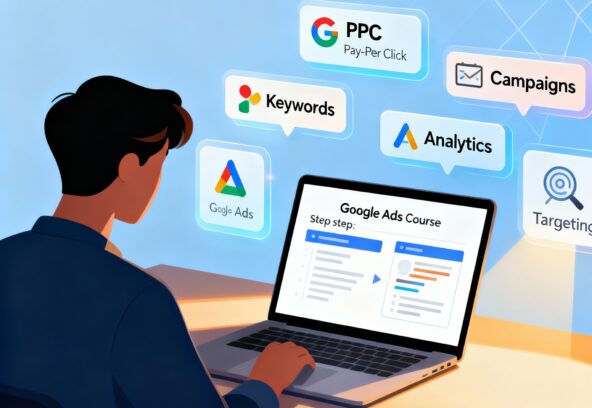
Paid Advertising (Google Ads, Facebook Ads)
Paid ads deliver quick results, and almost every business invests in them. Learning Google Ads and Facebook Ads can make you highly valuable. These skills allow you to target the right people, control budgets, and measure results—essential for businesses looking for immediate growth.
Email Marketing and Automation
Email marketing might sound old-fashioned, but it remains one of the most effective ways to retain customers. You’ll learn how to create professional newsletters, segment audiences, and use tools like Mailchimp or HubSpot for automation. Many e-commerce websites depend heavily on email marketing for repeat sales.
Step 5 – Start Practicing Early
Courses give you knowledge, but practice builds expertise. After 12th, the best way to stand out is to get hands-on experience as soon as possible.
Importance of Practical Projects
Digital marketing is a skill-based field. Employers and clients care more about your results than your marks or degree. That’s why working on practical projects is a must. For example, you can create a mock campaign for a local store, optimize a website for SEO, or run a small Instagram ad for your own blog. These projects will later become part of your portfolio.
Working on Real-Life Campaigns
If you know someone who runs a business—maybe a relative with a shop or a friend with a startup—you can offer to manage their digital presence for free or at a low cost. This gives you real-world experience while helping them grow their business. Over time, such campaigns become proof of your ability to deliver results, which is exactly what companies look for when hiring.
Step 6 – Build Your Online Presence
If you want to be taken seriously in digital marketing, you need to show your skills through your own online presence.
Create a Personal Blog or Website
A personal blog or portfolio website is the best way to showcase your skills. For example, if you’re learning SEO, apply those techniques to your blog and try ranking it on Google. If you’re interested in content writing, publish your articles online. Your website becomes your digital resume—it shows employers and clients what you can actually do.
Build LinkedIn and Social Media Profiles
LinkedIn is a powerful platform for professionals. Create a strong profile highlighting your skills, certifications, and projects. Share posts, connect with other digital marketers, and engage with industry leaders. Similarly, maintain professional Instagram or Twitter profiles to share your work. Many students after 12th have landed internships and freelance projects simply by showcasing their work online.
Step 7 – Do Internships or Freelancing
Practical exposure through internships and freelancing is the fastest way to grow in digital marketing after 12th.
Benefits of Internships for Beginners
Internships help you understand how real campaigns are run in companies. They teach you teamwork, client handling, and industry best practices. Many institutes also provide internship opportunities as part of their course. Even if the pay is low in the beginning, the experience you gain is priceless.
Freelancing Platforms for Digital Marketers
If you prefer independence, freelancing is a great option. Platforms like Upwork, Fiverr, Freelancer, and LinkedIn allow you to find clients from around the world. As a freelancer, you can work on SEO projects, social media campaigns, content writing, or paid ads. Many students in India start freelancing after 12th and earn more than traditional part-time jobs.
Step 8 – Get Certified
Certifications add credibility to your skills and make you stand out in the job market.
Google, HubSpot, Facebook Certifications
Some of the most valuable certifications include:
- Google Ads Certification (Free)
- Google Analytics Certification (Free)
- HubSpot Inbound Marketing Certification (Free)
- Facebook Blueprint Certification (Paid, but highly respected)
These globally recognized certificates make your resume stronger and give clients or employers confidence in your abilities.
Why Certifications Matter
While skills are the most important factor, certifications show that you’ve invested time in structured learning. They also help you pass through HR filters when applying for jobs since many recruiters shortlist candidates based on certifications.
FAQs on Learning Digital Marketing After 12th
1. Can I start learning digital marketing immediately after 12th?
Yes, you can start right after completing your 12th. Many students begin early and build strong career opportunities in this field without waiting for a degree.
2. Do I need a specific stream (Science, Commerce, Arts) to learn digital marketing?
No, digital marketing is open to everyone irrespective of the stream. The only things you need are curiosity, creativity, and willingness to learn.
3. How long does it take to learn digital marketing after 12th?
Basic concepts can be learned in 3–6 months, but mastering skills like SEO, social media, and paid ads may take 1–2 years of practice.
4. Do I need coding knowledge to do digital marketing?
No. Basic understanding of websites (HTML, WordPress, etc.) may help, but coding is not mandatory.
5. What is the difference between SEO and SEM?
SEO focuses on ranking a website organically through free techniques, whereas SEM involves paid advertisements on search engines like Google.
6. Can I earn money from digital marketing while studying?
Yes. Many students earn through freelancing, internships, or running social media campaigns for local businesses even while in college.
7. Which is better for beginners—SEO or social media marketing?
Both are useful, but many students find social media marketing easier to start with since they’re already familiar with platforms like Instagram and Facebook.
8. How do I practice digital marketing if I don’t have clients?
Create your own blog or website, experiment with Instagram or YouTube pages, or run small ad campaigns with a minimal budget for practice.
9. Is digital marketing a good career in India after 12th?
Yes, it’s one of the fastest-growing industries in India with endless job and freelancing opportunities across e-commerce, startups, and established businesses.
10. How can content writing help in a digital marketing career?
Strong writing skills are essential for blogs, ad copies, product descriptions, and social media captions. Good content also boosts SEO rankings.
11. Do paid ads require a large budget to learn?
No. You can start practicing with as little as ₹500–1000 on Facebook Ads or Google Ads to understand targeting, budget control, and results.
12. Is email marketing still effective after 12th for beginners to learn?
Yes. Despite being old, it is still one of the best methods for customer retention and repeat sales, especially in e-commerce industries.
13. What kind of internships can I do in digital marketing?
You can intern in SEO, social media management, Google Ads campaigns, blogging, or email marketing depending on your interest.
14. Where can I find freelancing projects as a beginner?
Websites like Fiverr, Upwork, Freelancer, and even LinkedIn are great places to start as a beginner.
15. Do companies hire freshers without a degree in digital marketing?
Yes. What matters in digital marketing is skills, portfolio, and certifications—not just a degree.
16. How important are certifications for a career in digital marketing?
They are not mandatory but add credibility to your profile. Free certifications from Google, HubSpot, and paid ones like Facebook Blueprint are highly recognized.
17. What is the best way to showcase my digital marketing skills?
Building a personal blog, running campaigns, and creating case studies of your projects is the best way. Your portfolio speaks louder than your CV.
18. Can I become a freelancer in digital marketing right after 12th?
Yes. With strong skills in SEO, graphics, or content, many students start freelancing early and earn while studying.
19. Is digital marketing better as a job or a freelancing career?
Both options have benefits. Jobs ensure stable income and experience, while freelancing provides flexibility and higher earning potential once you are skilled.
20. How much can a beginner earn from digital marketing after 12th?
Initially, you may earn ₹5,000–₹15,000 per month through freelancing or internships, but with experience, this can grow to ₹50,000+ depending on your skills and clients.